

TedWhiteaway
 BritishEntry 1955
Career timeline
Signature numbers
No data available yet.
Era
About Ted Whiteaway
Edward Norton Whiteaway: A Glimpse into a Racing Career
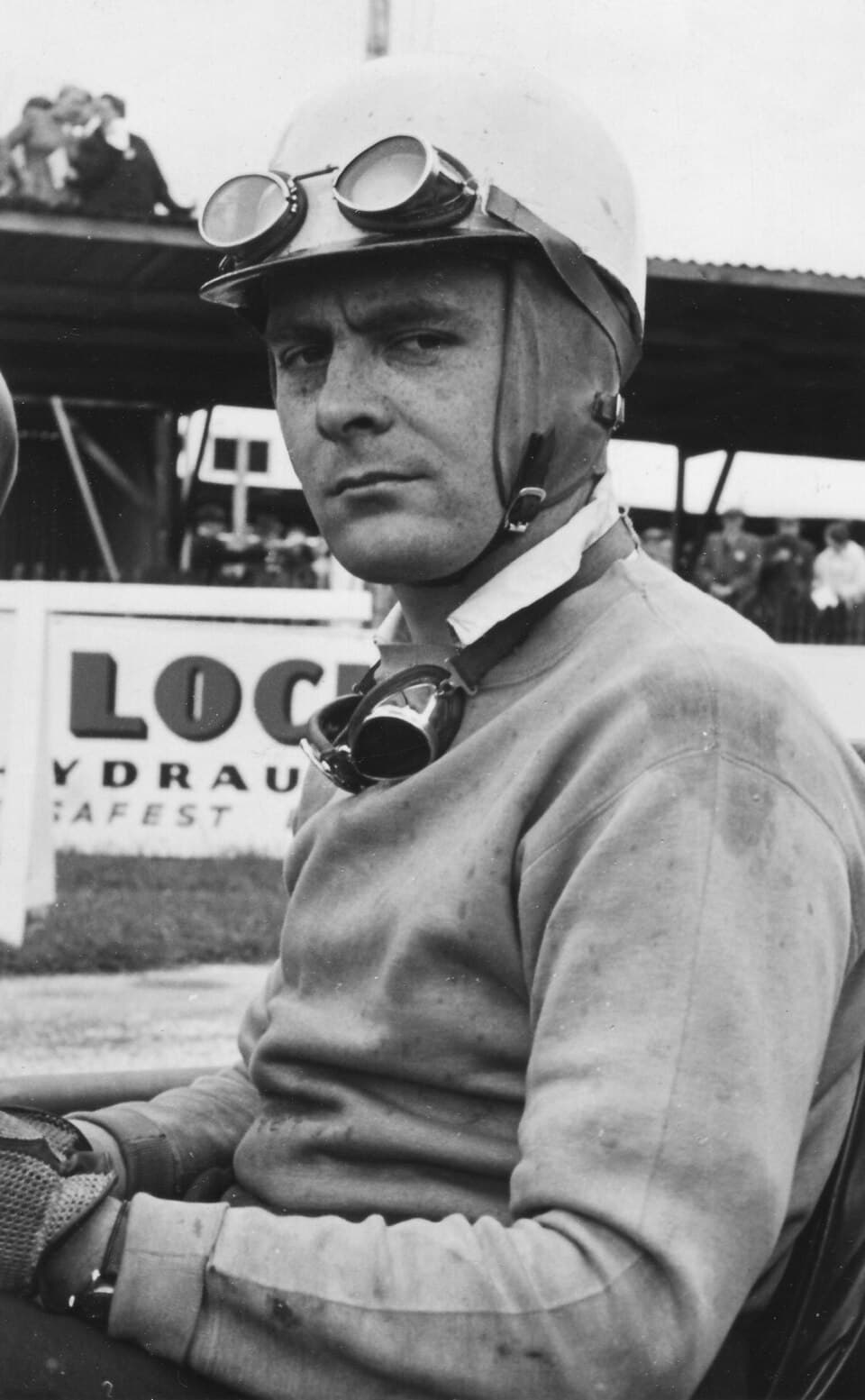
Edward Norton Whiteaway, born on November 1, 1928, embarked on a racing career that spanned over a decade, from 1951 to 1963. His journey through motorsport, while not extensively documented in the annals of Formula 1 World Championship history, nonetheless represents the dedication of a competitor in an era of diverse racing opportunities. Whiteaway's life concluded on October 18, 1995.
Formula 1 World Championship Aspirations
Whiteaway's direct involvement in the Formula 1 World Championship was notably brief, consisting of a single entry. This occurred at the iconic 1955 Monaco Grand Prix, a race renowned for its demanding street circuit and the calibre of its competitors. For this prestigious event, Whiteaway entered with a privately owned HWM chassis. In the mid-1950s, privateer entries were a common sight in Formula 1, with independent drivers and small teams often competing against the factory outfits. The challenge for these privateers was immense, requiring significant personal investment and often facing a performance deficit against the works teams. At Monaco in 1955, Whiteaway, driving his HWM, faced the formidable task of qualifying for a grid that often saw more entries than available slots. Despite his efforts, he ultimately failed to secure a place on the starting grid for the Grand Prix. This single attempt remains his only official World Championship entry.
Non-Championship Formula One Engagements
Beyond his solitary World Championship attempt, Edward Whiteaway also participated in a number of non-Championship Formula One races. These events, prevalent in the motorsport landscape of the 1950s and early 1960s, provided crucial competitive opportunities for drivers and teams outside the official Grand Prix calendar. Often held at circuits across Europe, these races allowed drivers to gain experience, test machinery, and compete against many of the same formidable opponents found in the World Championship. For privateers like Whiteaway, these non-Championship races were vital, offering valuable track time and a chance to hone skills without the intense pressure and financial demands of a full World Championship season. While specific details of these appearances are not provided, their existence indicates Whiteaway's sustained interest and participation in the Formula One discipline during his active racing years.
Le Mans Success and Endurance Racing Prowess
While his Formula 1 World Championship aspirations did not translate into race starts, Whiteaway demonstrated his racing capabilities and versatility in other significant international motorsport events. A standout achievement in his career came in 1959 at the legendary 24 Hours of Le Mans, one of the world's most gruelling endurance races. For this demanding event, Whiteaway formed a partnership with fellow driver John Turner. They competed in an ACE Bristol, entered under the patronage of Mrs. Waugh. The Anglo-American combination proved to be exceptionally strong. Whiteaway and Turner navigated the challenging Circuit de la Sarthe with skill and consistency, ultimately securing a significant victory in the highly competitive 2-litre class. Their impressive performance was not limited to their class, as they also achieved an outstanding seventh place overall in the general classification. This result, against a field of more powerful prototypes and GT cars, underscored Whiteaway's talent for endurance racing, his ability to manage a car over long stints, and his capacity to deliver strong results on a global stage. This Le Mans class win stands as a definitive highlight, showcasing a different facet of his racing prowess beyond the single-seater arena.
A Career Defined by Dedication
Edward Whiteaway's racing career, spanning from 1951 to 1963, paints a picture of a dedicated sportsman in an evolving era of motorsport. His brief but notable foray into the Formula 1 World Championship, coupled with his participation in non-Championship F1 events, reflects the ambition common among drivers of his generation. However, it was his success outside the Grand Prix circus, particularly his class victory and strong overall finish at the 1959 Le Mans 24 Hours, that truly highlighted his capabilities as a versatile and accomplished racing driver. Whiteaway's journey exemplifies the spirit of privateer racing and the pursuit of excellence across different motorsport disciplines.