

 American
Signature numbers
- Win rate
- 0.0%
- Podium rate
- 0.0%
- Race starts
- 2
Era
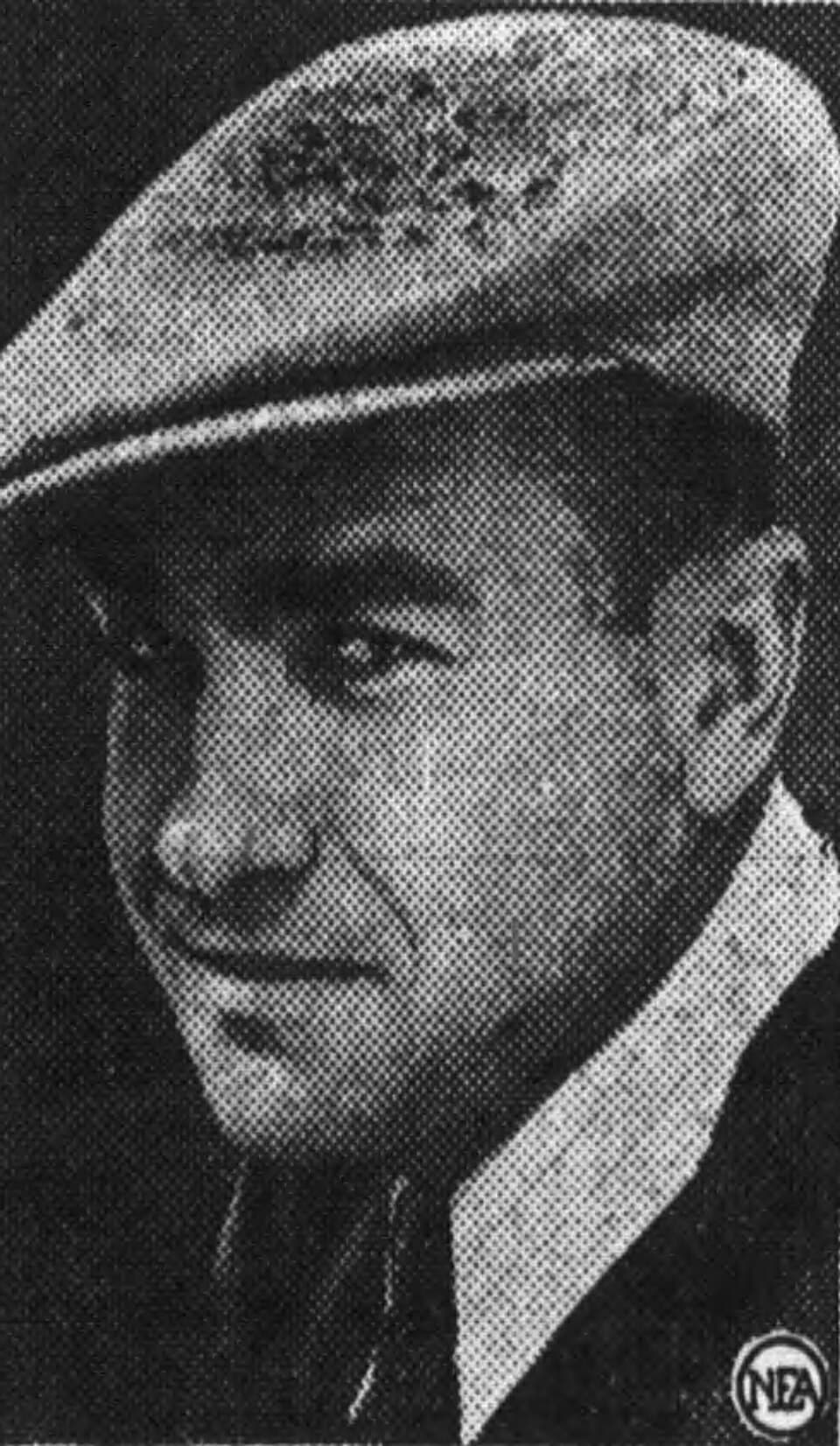
About Chet Miller
The Dean of the Speedway: Chet Miller's Enduring Indianapolis Legacy
Chester Joseph Miller, born on July 19, 1902, established a profound and enduring presence in American open-wheel racing, particularly at the hallowed grounds of the Indianapolis Motor Speedway. His career, spanning multiple decades, was characterized by a consistent commitment to the demanding discipline of racing at the Brickyard. This unwavering dedication and his familiar, veteran status at the iconic venue earned him the distinguished moniker, "Dean of the Speedway." This title was not merely a casual nickname but a recognition of his deep-rooted association with Indianapolis, signifying respect for his longevity and experience in an era where racing was inherently perilous and careers often short-lived. Miller's active participation coincided with a unique period in motorsport history, where the Indianapolis 500 briefly held a dual identity, momentarily intersecting with the newly formed FIA World Drivers' Championship, adding another layer to the historical context of his racing endeavors.
World Drivers' Championship Involvement and Context
Between 1950 and 1960, the globally renowned Indianapolis 500 was, for a controversial decade, integrated as a round of the nascent FIA World Drivers' Championship. This decision by the FIA meant that American drivers, whose primary focus remained the domestic AAA/USAC National Championship, were formally recognized as participants in the burgeoning global championship series. Consequently, their performances at Indianapolis contributed to their World Drivers' Championship record, and they were eligible to accrue points alongside their European counterparts. Chet Miller, a seasoned veteran of the Speedway, participated in two of these specific World Drivers' Championship-sanctioned Indianapolis races. Despite his extensive experience and familiarity with the challenging 2.5-mile oval, his recorded best finish in these particular championship events was 25th place. Crucially, he did not manage to score any World Drivers' Championship points during his two appearances. This outcome underscores the formidable challenge presented by the Indianapolis 500, a race renowned for its high attrition rates, intense competition, and the often-unpredictable confluence of factors required for a top-tier finish, even for a driver as experienced as Miller.
Distinctive Records and Demonstrations of Speed
Miller's long tenure at Indianapolis is etched into the record books through several unique statistics that highlight both his raw speed and his remarkable consistency, even in the absence of outright victories. A particularly notable demonstration of his technical capability and driving skill occurred during the qualifying sessions for the 1952 Indianapolis 500. On that occasion, Miller showcased exceptional pace, recording the fastest qualifying time overall amongst the entire field. This achievement unequivocally demonstrated his ability to extract peak performance from his racing machinery and navigate the Speedway's demanding turns with precision at maximum velocity. However, the qualifying procedures or other prevailing circumstances of that era presented a peculiar situation. Despite setting the absolute fastest time, Miller was assigned a starting position on the outside of the ninth row for the main event. This remains an unprecedented scenario in the history of the Indianapolis 500, marking him as the only fastest qualifier ever to start so far back in the field. This unique record serves as a compelling historical footnote, illustrating how raw speed, while paramount, did not always guarantee a prime grid position in the complex qualifying structures of the time. Beyond this singular qualifying feat, Miller holds another profound and enduring record at Indianapolis, one that speaks volumes about his sheer perseverance and consistent presence: he completed an astonishing 2,061 laps, which translates to a remarkable 5,152.5 miles (8,292.1 km), at the Indianapolis Motor Speedway without ever leading a single lap. This all-time record is a powerful testament to his unwavering commitment, his ability to consistently bring his car home over vast distances in one of motorsport's most grueling races. It paints a vivid picture of a driver who was a reliable and persistent competitor, always in the mix, but perhaps one who, despite his speed and experience, never quite found the perfect alignment of circumstances—be it mechanical reliability, strategic advantage, or sheer racing fortune—required to claim the coveted position at the very front of the pack, even for a fleeting moment.
Tragic End and Lasting Legacy
Chet Miller's extensive and dedicated career at the Indianapolis Motor Speedway met a tragic conclusion on May 15, 1953. During a practice session leading up to the highly anticipated 1953 Indianapolis 500, Miller was involved in a fatal crash in the challenging south turn of the Speedway. At the time of the accident, he was piloting a Novi-engined Special, a type of car known for its distinctive and powerful engine configuration. His untimely death, at the age of 50, cast a somber shadow over the racing community and marked a significant, albeit unfortunate, milestone in the annals of motorsport history. Due to the Indianapolis 500's temporary inclusion in the global series, Miller became the first racing driver to die as a direct result of an accident during a World Drivers' Championship event. This grim distinction underscores the inherent and ever-present dangers faced by drivers in that era, even during practice sessions. Chester Joseph Miller is interred at Crown Hill Cemetery in Indianapolis, Indiana. His legacy endures not only through his unique records and his ultimate sacrifice but also through the respectful title of "Dean of the Speedway," a testament to his deep connection with and enduring contribution to the legendary Indianapolis Motor Speedway. His career, marked by both remarkable speed and persistent challenge, serves as a poignant reminder of the dedication and risks undertaken by the pioneers of motorsport.