 British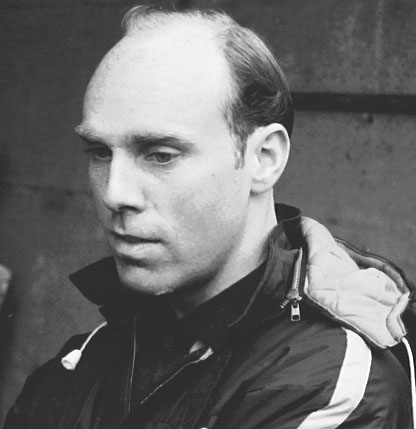
Signature numbers
- Win rate
- 0.0%
- Podium rate
- 5.9%
- Race starts
- 17
- Total points
- 11
Era
About Richard Attwood
Origins
Richard James David Attwood was born in 1940 in Wolverhampton, England. His father owned an automobile dealership in the West Midlands, providing Richard with early mechanical knowledge and the financial resources to enter motor racing. He started in club-level sports cars in the late 1950s and won the British Racing Drivers' Club Silverstone Formula Junior event in 1961 — the breakthrough that marked him as one of Britain's most promising junior single-seater drivers and positioned him for a professional racing career at a time when Britain was producing an extraordinary generation of Formula 1 graduates.
Rise
Attwood joined the Reg Parnell Racing Formula 1 team in 1964, making his Grand Prix debut at Monaco that year. He drove Lotus and BRM machinery across multiple seasons — always as a second driver to championship-challenging teammates, never with a dedicated front-running car. The career-defining Formula 1 performance came at Monaco in 1968: driving the outdated BRM P126, Attwood qualified sixth and drove a brilliant race to finish second behind Graham Hill's Lotus, ahead of Lucien Bianchi's Cooper-BRM, in a race that saw multiple retirements. The drive established Attwood as one of the most consistent drivers of the era even when equipment was inferior.
Championship Years
Attwood's Formula 1 career consisted of 17 Grands Prix with three championship points, but his real legacy was in sports car racing. He joined Porsche's works team in 1969 and partnered Hans Herrmann in a Porsche 917K at the 24 Hours of Le Mans 1970. The race was their era's defining endurance event — Ferrari had dominated Le Mans from 1958 to 1965 and was facing the new 917 challenge in wet and dangerous conditions. Attwood and Herrmann won the race by three laps in the red-and-white Porsche Salzburg 917 — Porsche's first overall Le Mans victory, and the beginning of the Porsche dynasty at Le Mans that would produce 19 overall wins over the next fifty years.
Style and Legend
Attwood's 1970 Le Mans victory was celebrated in the iconic Steve McQueen film of the same year — the red-and-white Porsche 917 became one of the most recognised sportscars in racing cinema. The partnership with Porsche continued through Can-Am and international sportscar racing into the early 1970s. Attwood retired from top-level racing in 1971, at age thirty-one, having consistently raced at the highest level without the championship-challenge equipment his talent deserved. His Le Mans legacy — Porsche's first winner, the 917 co-driver, the protagonist of Steve McQueen's Le Mans — places him among the most significant British drivers of the 1960s-1970s sportscar era.
Beyond Racing
Attwood returned to running the family Wolverhampton dealership business in the early 1970s and built it into a successful midlands operation. He has been an active supporter of historic racing and the Porsche Museum at Stuttgart, appearing at Goodwood Revival and Le Mans Classic events regularly. He has written and been interviewed extensively about the 1970 Le Mans victory and the development of the 917 programme. The British motorsport community has honoured him with BRDC membership and the Porsche-Attwood association remains one of the strongest single-brand partnerships in endurance-racing history. He is, in the elite British motorsport tradition, a gentleman amateur made professional — a former privateer Formula 1 driver who achieved his greatest success as the first Le Mans-winning Porsche works driver in the dawn of the 917 era.