

Madring
 SpainMadridEntry 2026Active
Career timeline
Signature numbers
- Career
- 2026
Era
About Madring
Introduction: The Dawn of a New Era in Madrid
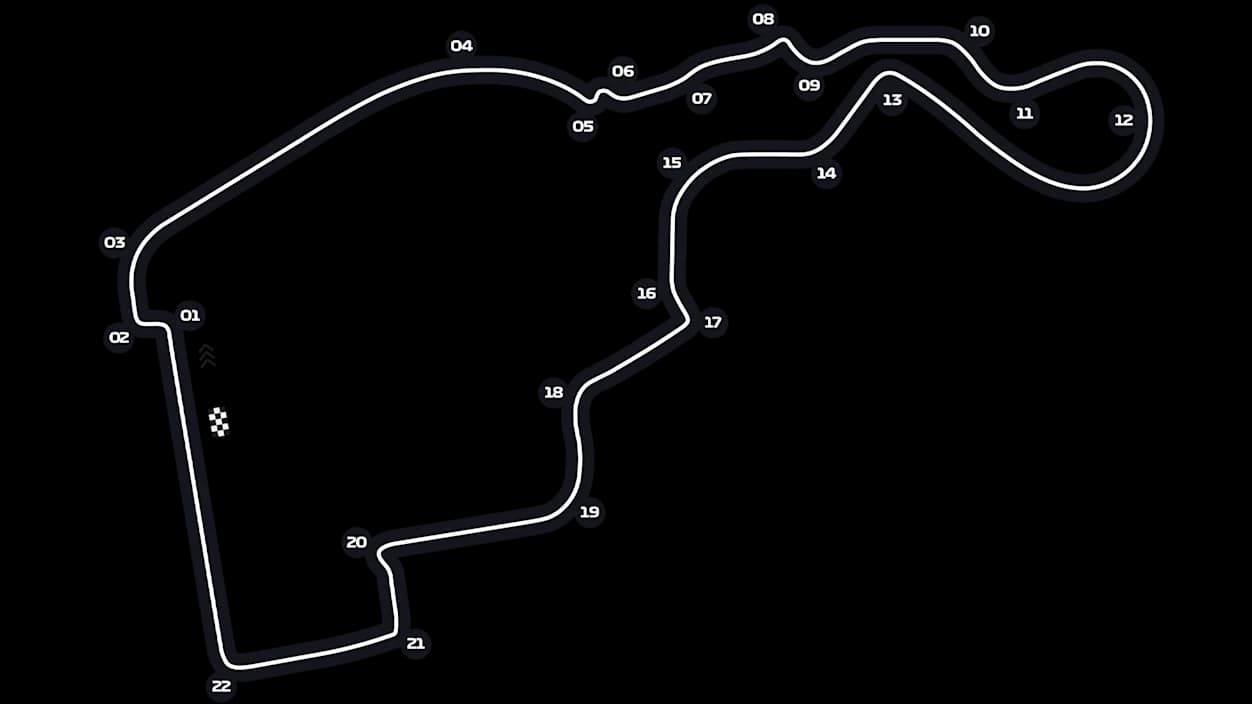
The 2026 Formula 1 season marks a significant shift for the Spanish Grand Prix, as it relocates from the venerable Circuit de Barcelona-Catalunya to a brand-new, semi-permanent street circuit in Madrid. Officially known as the Madrid GP Circuit, or colloquially referred to by some as “Madring” due to its urban setting, this 5.47-kilometer (3.4-mile) track is meticulously designed around the sprawling IFEMA exhibition complex. This move signifies Formula 1's continued embrace of city-based races, aiming to bring the spectacle closer to urban populations and offer a unique blend of street circuit challenge with purpose-built sections engineered for modern Grand Prix racing. The circuit's unveiling in January 2024 generated considerable excitement, promising a dynamic layout that integrates Madrid's vibrant energy with cutting-edge track design principles.
Location, History, and Design Philosophy
The Madrid GP Circuit is strategically situated within the Campo de las Naciones district, utilizing both existing public roads and specially constructed sections within and around the IFEMA Madrid exhibition centre. This hybrid approach allows for a unique character, combining the raw, unforgiving nature of a street circuit with the precision and safety standards of a modern permanent facility. Historically, Formula 1 last raced in Madrid at the Circuito del Jarama in 1981. The new circuit represents a triumphant return for the Spanish capital to the pinnacle of motorsport, driven by a 10-year agreement with Formula 1 starting in 2026. The design philosophy behind the Madrid GP Circuit is a collaborative effort, involving F1's in-house track design team and local stakeholders. The primary objective is to create a circuit that not only challenges drivers but also maximizes overtaking opportunities and enhances the spectator experience. The layout incorporates 20 corners, featuring a mix of high-speed sections, technical sequences, and heavy braking zones. While street circuits are often criticized for their lack of elevation changes, early simulations and design renders suggest that designers have worked to introduce subtle undulations where possible, though it remains largely flatter than tracks like Spa or Suzuka. The integration with the IFEMA complex also allows for unparalleled infrastructure for teams, media, and fans, promising a premium event experience. The initial capacity is projected to be 110,000, with ambitious plans for expansion to 140,000, underscoring the scale of this new venture.
A Lap of the Madrid GP Circuit: Engineering Challenges
A full lap of the 5.47-kilometer circuit promises a diverse set of challenges for both car and driver. While a detailed sector-by-sector breakdown awaits the first official running, the general characteristics suggest a balanced demand on various aspects of car performance. **Sector 1:** The lap likely begins with a long main straight, offering a prime DRS zone and a significant slipstreaming opportunity into a heavy braking zone. This opening sequence will be crucial for overtakes and could feature a tight hairpin or chicane, testing brake stability and traction out of slow corners. The immediate follow-up might involve a series of medium-speed bends, demanding precise turn-in and mid-corner balance. **Sector 2:** This middle sector is anticipated to be the more technical and intricate part of the circuit. It could feature a sequence of flowing corners, potentially reminiscent of a permanent track, requiring high aerodynamic efficiency and consistent downforce through sustained lateral loads. Drivers will need to manage tyre temperatures carefully here, as sustained cornering can lead to overheating. This sector might also incorporate the most significant (albeit subtle) elevation changes, adding another dimension to car setup and driver technique. The semi-permanent nature allows for more complex corner profiles than a pure street circuit. **Sector 3:** The final sector is expected to build towards the start-finish straight, possibly featuring another high-speed section or a series of fast chicanes that demand commitment and excellent change of direction. A final heavy braking zone before the main straight could provide a last-gasp overtaking chance, setting up another DRS opportunity. The blend of purpose-built sections and existing roads means the surface characteristics might vary slightly, influencing grip levels and tyre wear across the lap.
Aerodynamic and Tyre Demands in the 2026 Era
The 2026 regulations introduce significant changes, particularly in aerodynamics and power units, which will profoundly influence how teams approach the Madrid GP Circuit. With 20 corners and several straights, the track will likely demand a medium-to-high downforce setup. Teams will need to find a delicate balance between maximizing cornering grip and minimizing drag for the long straights, especially with the new active aerodynamic elements. The “low-drag” configuration will be critical for top speed on the main straight, while the “high-downforce” mode will be essential through the technical sections. The interaction between these active elements and the car's balance will be a key engineering challenge. Tyre management will be paramount. Pirelli, as the sole supplier, will likely bring compounds designed to cope with the new, potentially abrasive tarmac and the high ambient temperatures typical of Madrid in late spring or early summer. The mix of corner types – from slow hairpins to fast sweeps – will put varying stresses on the tyres, leading to potential thermal degradation in the technical sectors and wear on the braking zones. Understanding the degradation patterns and optimizing pit stop strategies will be crucial, especially given the unknown nature of a brand-new surface.
Overtaking, DRS, and the 2026 Regulations
The circuit's design explicitly aims to foster overtaking. Multiple DRS zones are expected to be strategically placed along the main straights and potentially other high-speed sections. The 2026 regulations introduce an “overtake mode” (replacing traditional DRS for general use) and “boost mode” for energy deployment. On the Madrid circuit, drivers will need to master the deployment of this additional electrical energy, combined with the active aero, to execute successful passes. The long main straight into a heavy braking zone will be the most obvious overtaking hotspot, but designers have also hinted at other areas where drivers can challenge. The reduced car dimensions (shorter wheelbase, narrower width) for 2026 might also contribute to closer racing and more opportunities to run side-by-side through corners.
Weather Considerations and Strategic Nuances
Madrid's climate typically features hot, dry conditions during the Spanish Grand Prix window. High track and ambient temperatures will place significant demands on engine cooling, driver stamina, and tyre thermal management. Teams will need robust cooling packages, and drivers will face a physically demanding race. The possibility of a sudden summer thunderstorm, while less common, cannot be entirely ruled out and could introduce an element of unpredictability, transforming the race dynamics. Strategically, the new circuit's characteristics will dictate pit stop windows and tyre choices. The semi-permanent nature means track evolution will be a significant factor throughout the weekend, with grip levels increasing as more rubber is laid down. This will impact qualifying performance and race pace. The absence of historical data will make simulation and free practice sessions even more critical for teams to gather essential information on tyre wear, fuel consumption, and optimal setup.
Conclusion: A Bold New Chapter
The Madrid GP Circuit represents a bold and ambitious new chapter for Formula 1 in Spain. It embodies the sport's evolution towards urban, fan-centric events while striving to maintain the engineering challenge and racing spectacle that defines Grand Prix racing. As teams and drivers descend upon Madrid in 2026, they will face the unique task of mastering a completely new layout, grappling with the intricacies of the new technical regulations, and writing the inaugural history of what promises to be a thrilling addition to the Formula 1 calendar. The blend of street circuit grit and modern design principles sets the stage for exciting racing and a memorable experience for all involved.